

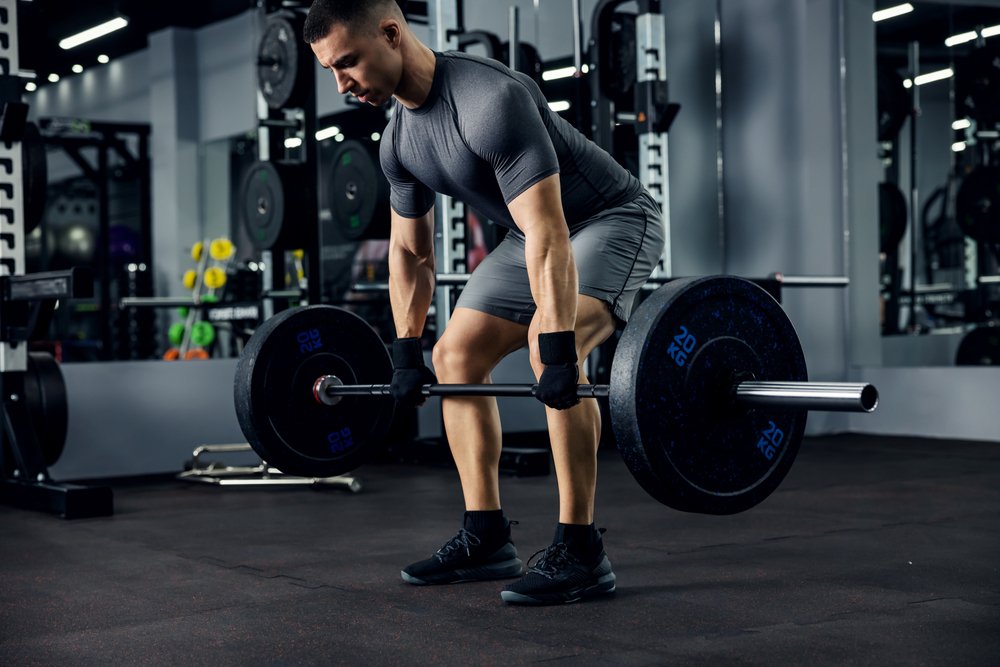
Olympic lifting is one of the most exciting ways to build strength and power. Many people see athletes lifting heavy weights overhead and feel inspired to try it themselves. These movements are not just about raw strength because they also require great timing and focus. When you learn how to move a barbell quickly, you teach your body to work as one single unit. This kind of training is great for athletes who want to jump higher or run faster.
Helping someone learn these lifts is a rewarding path for any fitness professional. It requires a lot of patience and a keen eye for small details. You have to watch how a person moves their feet and where they hold their hands. Safety is always the top priority when working with heavy weights. If you want to teach others, getting a Powerlifting Certification can help you understand the basics of barbell safety and force. This foundation makes it easier to transition into the more complex world of fast lifts.
The Foundation of Vertical Power
The first thing to understand about these lifts is that they start from the ground. Your legs and hips do most of the heavy lifting while your arms stay straight. Many beginners make the mistake of trying to pull the bar with their biceps too early. This causes the bar to slow down and makes the lift much harder to finish. You want to think of your arms like long pieces of rope that just hold onto the weight.
The power comes from a fast push through the floor with your feet. This creates a vertical drive that sends the bar flying upward. Coaches often tell their students to jump while keeping their feet in contact with the ground. This helps the lifter use their whole body to create momentum. Once you master this initial pull, the rest of the movement starts to feel much more natural.
Improving the Wide Grip Overhead Lift
The snatch is known for being a very wide and fast movement. It is the most beautiful lift to watch but it is also the hardest to master. You start with your hands far apart on the bar so it sits right in the crease of your hips. This wide grip allows the bar to travel a shorter distance to get over your head. It requires a lot of flexibility in your shoulders and your ankles to do this correctly.
When you pull the bar, you must keep it very close to your body. If the bar drifts too far forward, you will lose your balance and miss the lift. After the big pull, you have to move your body quickly underneath the weight. You catch the bar in a deep squat position with your arms locked out tight. It takes a lot of practice to feel comfortable sitting low with a heavy weight held high.
Building Stability in the Catch Position
A strong catch in the snatch depends on your upper back strength. You need to “punch” the ceiling with your knuckles to keep the bar stable. If your elbows are soft, the weight will feel much heavier than it actually is. Keeping your chest up and your eyes forward helps you stay balanced. This prevents the weight from pulling you forward or pushing you backward.
Footwork is another huge part of a successful snatch. Your feet usually start under your hips and move out to your squat width. This quick foot movement helps you get into a solid base very fast. Coaches often use wooden sticks or empty bars to teach this footwork first. This builds the right habits before the student ever touches a real metal plate.
The Two Phases of the Heavy Pull
The clean and jerk is actually two different movements performed back to back. First, you pull the bar from the floor to your shoulders in a move called the clean. This uses a narrower grip than the snatch and allows you to lift more weight. You have to rotate your elbows forward very fast to catch the bar on your collarbones. This creates a shelf for the weight to sit on so your wrists do not get hurt.
The second part is the jerk, where you drive the bar from your shoulders to over your head. This is usually done by dipping your knees and then jumping into a split stance. The split stance gives you a very long and stable base to support the weight. You must keep your torso straight up and down during the dip. If you lean forward, the bar will fall in front of you instead of staying balanced.
Refining the Front Squat Recovery
After catching the clean, you must stand up from a deep squat before you can start the jerk. This part of the lift tests your leg strength and your breathing. It is important to keep your elbows high so the bar does not slide off your shoulders. Many lifters take a big breath and hold it to keep their core muscles very tight. This pressure helps protect your spine while you move the heavy load.
A Powerlifting Certification teaches you the best ways to squat and stay stable under pressure. These skills are very helpful when you are trying to recover from a heavy clean. If your legs are strong from regular squatting, you will have more energy left for the overhead press. Successful lifters spend a lot of time working on their leg power to make the clean feel easy. This allows them to focus all their mental energy on the final part of the lift.
Perfecting the Overhead Drive
The jerk is all about speed and timing rather than just shoulder strength. You use the big muscles in your legs to launch the bar off your shoulders. Once the bar is moving, you quickly move your feet into the split position. Your front foot moves forward and your back foot moves backward at the same time. This happens in a split second and requires a lot of coordination.
Your arms should lock out at the exact moment your feet hit the floor. This creates a solid structure that can hold a lot of weight without shaking. To finish the lift, you bring your feet back together while keeping the bar overhead. You must wait for the bar to be still before you drop it back to the ground. This shows that you have total control over the weight from start to finish.
Common Mistakes to Watch For
One of the biggest issues coaches see is “looping” the bar. This happens when the lifter swings the bar out in a big circle away from their chest. This makes the weight feel much heavier and often causes the lifter to fall forward. You want the bar to move in a straight line as much as possible. Keeping your knuckles pointing down toward the floor during the pull helps keep the bar close.
Another common problem is “powering” every lift instead of squatting. A power lift means you catch the bar with your knees only slightly bent. While this is fine for lighter weights, it will limit how much you can lift eventually. Learning to drop into a full squat is necessary for reaching your true potential. It takes courage to drop under a heavy bar, but that is where the real progress happens.
Creating a Smart Training Plan
You should not try to lift heavy weights every single day. Olympic lifting is very hard on your central nervous system and your joints. It is better to have some days where you focus on technique and other days where you lift more. Many people find that a Powerlifting Certification helps them design better programs for strength. This knowledge ensures that your students are getting stronger without getting burned out.
- Always start with a thorough warm-up to get your joints moving well.
- Focus on one specific part of the lift during each training session.
- Use video to record your lifts so you can see your mistakes.
- Practice your footwork without any weight to build muscle memory.
- Work on your flexibility every day to make the catch positions easier.
- Listen to your body and rest when you feel a nagging pain.
Finding Success in the Gym
Becoming a great lifter or a great coach takes a long time and a lot of effort. It is not something that happens overnight or even in a few months. You have to be willing to do the same movements thousands of times. Each repetition is a chance to make your technique just a little bit better. Celebrate the small wins, like a smoother pull or a faster foot movement.
The journey of learning these lifts will make you a more disciplined person. It teaches you how to stay calm under pressure and how to solve physical problems. Whether you want to compete or just get in shape, these lifts offer a great challenge. Keep your head up, stay focused on your goals, and enjoy the process of getting stronger. With the right mindset and proper training, you can reach levels of power you never thought possible.